
The True Cost of Building a Ballpark
By Ron Dubas, President of Unlimited Sports Solutions
October 27, 2026
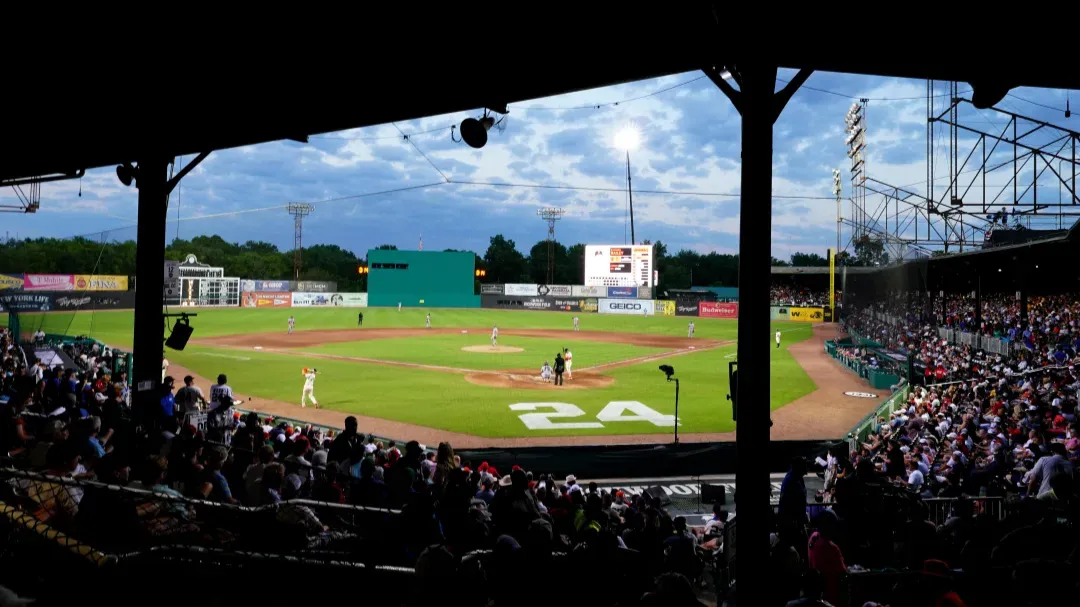
Image: America's oldest surviving professional ballpark, Rickwood Field in Birmingham AL, stands as a testament to the value of thoughtful design.
When planning an athletic facility, it’s natural to focus on the project budget. Owners have financial constraints, contractors need to remain competitive, and everyone wants to maximize what they can deliver with the dollars available.
But there’s an important distinction between getting the lowest price and getting the best value.
The lowest initial cost doesn't always translate into the best long-term investment.
The decisions made during design, procurement, and construction can affect a facility’s safety, durability, maintenance requirements, and overall performance for years to come. Looking beyond the initial price can help owners make more informed decisions and avoid costs that might otherwise have been preventable.
Here are five considerations when evaluating the true value of athletic facility products and equipment.
1. Look Beyond the Initial Purchase Price
Two products may appear similar on a quote but differ significantly in materials, construction, performance, or expected service life.
Understanding those differences matters. A lower-priced product may be the right choice in some situations, but the decision should be based on comparable specifications and a clear understanding of what is included.
The question isn't simply, "What does it cost today?" It's, "What are we getting for that cost?"
2. Consider Durability and Expected Service Life
Athletic facilities experience demanding conditions. Weather exposure, frequent use, impacts, and seasonal changes can all affect product performance.
When evaluating equipment, consider the materials, construction methods, finishes, and maintenance requirements. Ask how the product is designed to perform in the intended environment and what maintenance will be needed to preserve its condition.
A product that lasts longer or requires less maintenance may offer greater value over its useful life, even if its initial cost is higher.
Are we selecting products based on what they cost today or what they will cost to own over the next 10 to 20 years?
3. Don't Compromise on Safety
Safety should be a fundamental consideration, not an optional upgrade when the budget allows.
Netting systems, protective padding, dugout design, and other facility components should be evaluated based on their intended application, applicable requirements, and ability to perform their intended function.
A purchasing decision that overlooks important safety considerations can create risks and costs that far outweigh any initial savings.
The goal is not to buy the most expensive product. It is to make sure the selected solution appropriately addresses the risks and demands of the facility.
When budgets get tight, how do we ensure that cost savings never come at the expense of athlete and spectator safety?
4. Evaluate Installation and Maintenance
The purchase price is only one part of the total investment. Installation requirements, site conditions, accessibility for repairs, replacement parts, and ongoing maintenance can all influence the cost of ownership.
Engaging experienced suppliers and installers early can help identify potential challenges before they become expensive problems.
Questions worth asking include:
What site preparation and installation requirements apply?
How accessible are components for inspection, maintenance, and repair?
Are replacement parts readily available?
What maintenance should be included in the facility's long-term operating plan?
Considering these factors during planning can help reduce surprises after the facility opens.
Are we designing facilities that are easy and cost-effective to maintain, or are we unintentionally creating tomorrow's maintenance headaches?
5. Bring the Right Partners Into the Conversation Early
One of the best opportunities to improve project value happens before products are specified and bids are finalized.
Owners, designers, contractors, suppliers, and installers each bring a different perspective. When they collaborate early, they can evaluate alternatives, identify potential conflicts, and make decisions that balance performance, cost, schedule, and long-term needs.
Early collaboration can also help distinguish between products that are genuinely comparable and those that differ in important ways.
The result is a more informed decision, not necessarily the lowest bid, but a solution that best fits the project's objectives.
How much time and money could we save if the right people were involved in the conversation before the plans were finalized?
The Bottom Line
Building a successful athletic facility requires more than managing the construction budget. It requires making thoughtful decisions about how each investment will perform over time.
The best-value approach considers initial cost alongside safety, durability, installation, maintenance, and the needs of the people who will use and operate the facility.
For owners and project teams, the opportunity is to define what value means before the bidding process begins and evaluate proposals against those priorities.
A well-designed ballpark isn't simply one that comes in on budget. It's one that delivers lasting value to its community.
At Unlimited Sports Solutions, we believe better outcomes start with informed decisions, thoughtful planning, and collaboration among the people responsible for bringing athletic facilities to life.
What factors matter most when your team evaluates best value versus lowest bid? I'd welcome your perspective in the comments.
View the original LinkedIn article here.
#BuildingBetterBallparks #SportsConstruction #AthleticFacilities #FacilityDesign #SportsSafety