
safety beyond the lines: how Wall Padding Protects Athletes
BY RON DUBAS, PRESIDENT OF USS
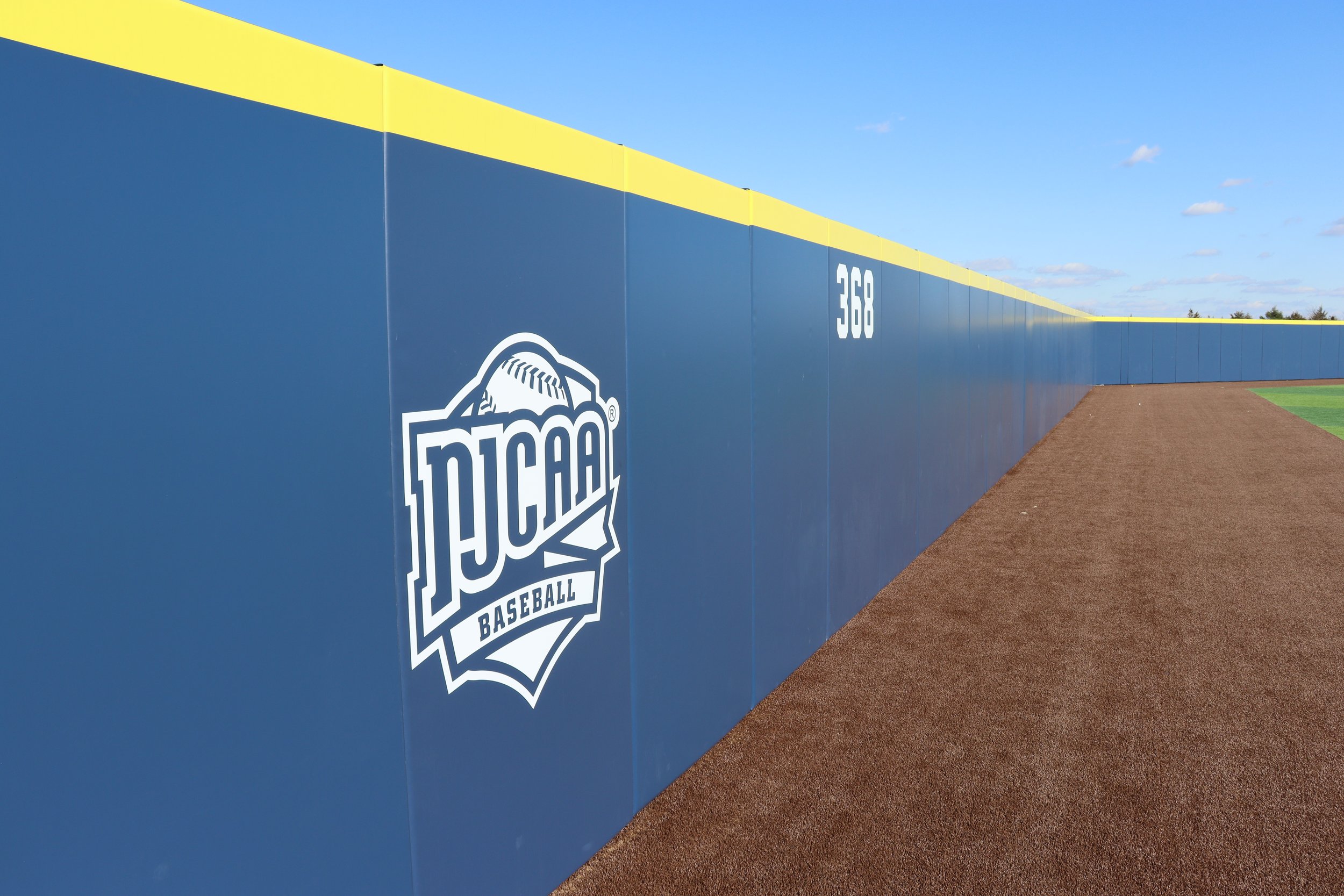
The saying “an ounce of prevention is worth a pound of cure” rings especially true when it comes to sports safety. With sports injuries costing the U.S. tens of billions of dollars annually, prevention must be a priority. While the nature of athletics makes some injuries unavoidable, many can be mitigated through intentional strategies such as comprehensive athletic field design, including padding hard surfaces that surround the field of play.
Wall padding has become a staple in athletic field design for facilities that value athlete safety. It is critical for sports safety because it reduces the risk and severity of injuries when athletes collide with hard, immovable surfaces. In many sports, high-speed play and limited stopping distance make impacts unavoidable, so properly designed wall padding serves as a last line of protection.
Here are the key reasons wall padding is important:
(1) Injury Prevention
Wall padding helps absorb and dissipate impact energy, reducing the likelihood of:
Concussions and head injuries
Spinal and neck injuries
Broken bones and joint injuries
Cuts and abrasions
Without padding, collisions with concrete, steel, or masonry walls can result in severe or catastrophic injuries.
(2) Protection in High-Speed Play
Sports such as basketball, volleyball, hockey, baseball, soccer, and indoor training activities often involve athletes moving at high speeds with limited time to react. Wall padding provides a crucial buffer in:
Baselines and sidelines
Behind goals and backstops
Indoor training facilities and gyms
(3) Energy Absorption and Controlled Deceleration
Properly engineered wall padding:
Absorbs impact forces rather than reflecting them
Extends the deceleration time during a collision
Reduces peak force on the athlete’s body
This significantly lowers injury severity compared to unpadded surfaces.
(4) Consistency and Reliability
Professionally manufactured wall padding is designed to perform consistently across its entire surface. This predictability allows athletes to play aggressively and confidently, knowing safety measures are in place.
(5) Compliance With Safety Standards
Many facilities require wall padding to meet standards and guidelines from organizations such as:
ASTM
NFHS
NCAA
Local building and safety codes
Compliance helps protect facility owners from liability while ensuring athlete safety.
(6) Versatility Across Sports and Levels
Wall padding is essential at all levels of play—from youth and high school to collegiate and professional sports—because injury risk exists regardless of age or skill level.
(7) Facility Protection and Longevity
In addition to protecting athletes, wall padding:
Prevents damage to walls and structures
Reduces maintenance and repair costs
Enhances the professional appearance of the facility
USS is a leading supplier of athletic facility equipment and products for constructing safe complexes of all sizes. In addition to a full line of sports padding, we offer a large selection of products aimed at keeping athletes and spectators safe.